Child Safety & Member Protection
Parramatta Memorial Swimming Club is committed to providing a safe, inclusive and welcoming environment for all children, young people and members.
Our Commitment to Child Safety
PMSC upholds the rights of all children to feel safe, protected and included. We maintain a zero tolerance approach to child abuse and neglect, and are committed to protecting all children in our care by promoting a safe, fair, healthy and inclusive sporting environment.
We welcome and support children and families of all backgrounds, abilities and identities. Our child safety practices are guided by the NSW Child Safe Standards, the National Integrity Framework (NIF), and our own PMSC Child Safe Policy and Code of Conduct.
PMSC Child Safe Code of Conduct
All members, volunteers, coaches, parents, carers and swimmers agree to the following as a condition of membership:
I Will
- Treat all children with respect and value their ideas and opinions
- Act as a positive role model
- Be vigilant and proactive in ensuring children’s safety
- Report any concerns to the MPIO, a committee member or the appropriate authorities
- Respect the privacy and personal boundaries of children
- Ensure my interactions with children are appropriate and in the presence of others where possible
- Use positive and encouraging language
- Follow the PAC’s conditions of entry regarding photography and mobile devices
I Won’t
- Engage in any form of abuse, neglect or ill-treatment of a child
- Use inappropriate, offensive or discriminatory language around children
- Engage in unnecessary physical contact with a child
- Develop an inappropriate personal relationship with a child
- Take images or video of children on a personal device without parental permission
- Use mobile phones or cameras in changerooms or toilet facilities
- Communicate privately with a child via personal social media, text or email
- Ignore or dismiss any concerns about a child’s safety or wellbeing
Breaches may result in disciplinary action in accordance with the National Integrity Framework.
Our Member Protection Information Officer (MPIO)
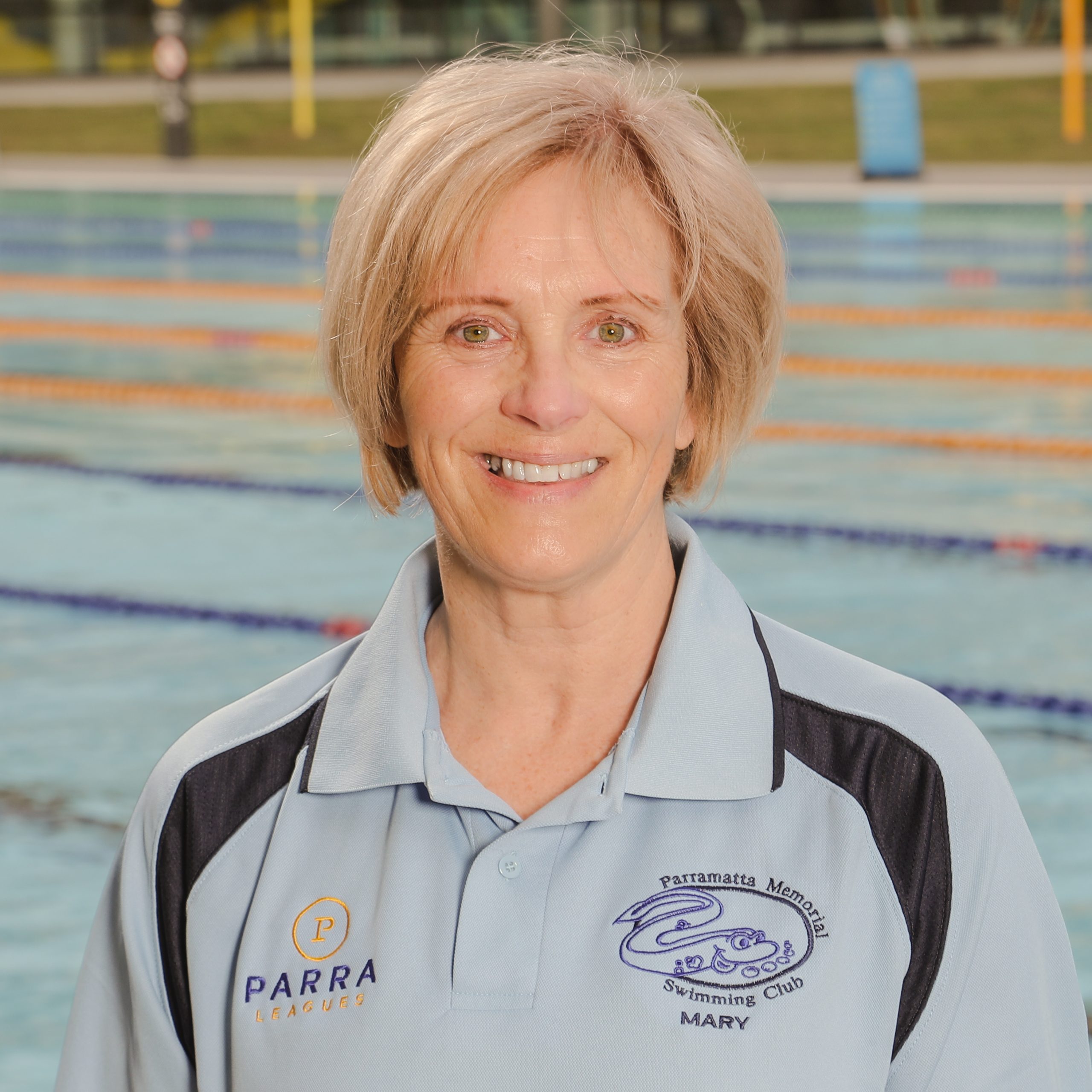
Mary McKenzie
Mary is our club’s appointed Member Protection Information Officer (MPIO). The MPIO is a trained contact person who provides information and guidance about complaint options and pathways available under the National Integrity Framework.
The MPIO is an impartial point of contact — they do not investigate or mediate complaints, but can help you understand your options and direct you to the right support.
NSW Child Safe Standards
Under the Children’s Guardian Act 2019, all organisations in NSW that provide services to children must comply with the 10 Child Safe Standards. PMSC is committed to meeting these standards:
- Child safety is embedded in organisational leadership, governance and culture
- Children participate in decisions affecting them and are taken seriously
- Families and communities are informed and involved
- Equity is upheld and diverse needs are taken into account
- People working with children are suitable and supported
- Processes to respond to complaints of child abuse are child-focused
- Staff are equipped with the knowledge, skills and awareness to keep children safe through continual education and training
- Physical and online environments minimise the opportunity for abuse to occur
- Implementation of the Child Safe Standards is continuously reviewed and improved
- Policies and procedures document how the organisation is child safe
Learn more at the Office of the Children’s Guardian.
National Integrity Framework (NIF)
Swimming Australia adopted the National Integrity Framework in June 2022. The NIF is managed by Sport Integrity Australia and applies to all swimming clubs, members, volunteers and participants. It includes the following policies:
- Child Safeguarding Policy
- Member Protection Policy
- Competition Manipulation and Sports Gambling Policy
- Improper Use of Drugs and Medicine Policy
- Complaints, Disputes and Discipline Policy
- Code of Conduct
Under the NIF, all members are bound by these policies. Complaints can be made to Sport Integrity Australia or through the club’s MPIO.
Working With Children Check (WWCC)
Under the Child Protection (Working with Children) Act 2012, anyone engaged in child-related work in NSW must hold a valid Working With Children Check (WWCC).
At PMSC, the following roles are required to hold a valid WWCC:
- Committee members
- Assistants to committee positions
- Coaches and assistant coaches
- Any volunteer involved in child-related activities
We also strongly encourage all members to hold a valid WWCC.
You can apply for or renew your WWCC at the Office of the Children’s Guardian — the check is free for volunteers. Once you have your WWCC, you’ll need to upload it to your Swim Central profile. See the Swim Central guide on how to upload your WWCC.
Reporting Concerns & Complaints
If a child is in immediate danger, call 000.
Who Can Report
Under the Children and Young Persons (Care and Protection) Act 1998, certain professionals (such as doctors, teachers and psychologists) are mandatory reporters and are legally required to report suspected child abuse or neglect. While swimming club volunteers are not classified as mandatory reporters under this Act, any person who has reasonable grounds to suspect that a child is at risk of significant harm can — and should — make a report.
How to Report
Depending on the nature of the concern, reports can be made to:
- PMSC Member Protection Information Officer (MPIO) — for concerns within the club (mpio@pm.org.au)
- Sport Integrity Australia — online complaint form or phone 1800 161 361
- NSW Child Protection Helpline — 132 111 (for suspected child abuse or neglect)
- NSW Police — 131 444 (non-emergency) or 000 (emergency)
What Is Reportable Conduct?
Reportable conduct is a term used to describe certain types of misconduct toward children, including sexual offences, sexual misconduct, ill-treatment, neglect, assault, and behaviour that causes psychological harm. While the NSW Reportable Conduct Scheme applies to specific categories of organisations, PMSC takes all allegations of such conduct seriously and will ensure they are reported to the appropriate authorities.
Our Venue — Parramatta Aquatic Centre
PMSC trains and competes at the Parramatta Aquatic Centre (PAC), and all members must comply with the PAC’s Conditions of Entry and Child Safe policies.
In line with the PAC’s conditions of entry, personal photography and video recording at club meets is not permitted unless you are photographing your own child. The use of mobile phones for photography or video recording in changerooms or toilet facilities is strictly prohibited.
For more information about child safety at the PAC, visit the Parramatta Aquatic Centre website.
Photography, Video & Online Safety
Photography & Video at Club Events
PMSC appoints a designated club photographer to capture images at each club meet. All images taken by the club photographer are managed in accordance with our child safety obligations. Images will only be published with appropriate consent, and parents/carers may opt out of their child being photographed at any time by notifying the club.
Online Safety & Social Media
PMSC follows Swimming NSW’s social media and electronic communication guidelines. All club social media accounts and digital communications must:
- Only publish images of children with appropriate parental consent
- Never publish identifying information of children (e.g. surnames combined with images)
- Not include offensive, misleading or hurtful content
- Be managed by authorised club volunteers
- Respect the privacy of all members
Cyber bullying is not tolerated. If your child is experiencing online bullying related to the club, please report it to a committee member or our MPIO immediately.
Under-16 Social Media Restrictions
Under the Online Safety Amendment (Social Media Minimum Age) Act 2024, social media platforms including Facebook, Instagram, TikTok and Snapchat are required to take reasonable steps to prevent under-16s from holding accounts. Parents and carers of young swimmers should be aware of these restrictions. Visit the eSafety Commissioner for more information.
Resources & Further Information
- Sport Integrity Australia — National Integrity Framework
- Swimming NSW — Member Resources
- NSW Office of the Children’s Guardian — Child Safe Standards
- Working With Children Check (NSW)
- Swim Central — How to Upload Your WWCC
- Parramatta Aquatic Centre — Child Safe at The PAC
- eSafety Commissioner
This page was last reviewed in February 2026. PMSC is committed to regularly reviewing and updating our child safety practices.